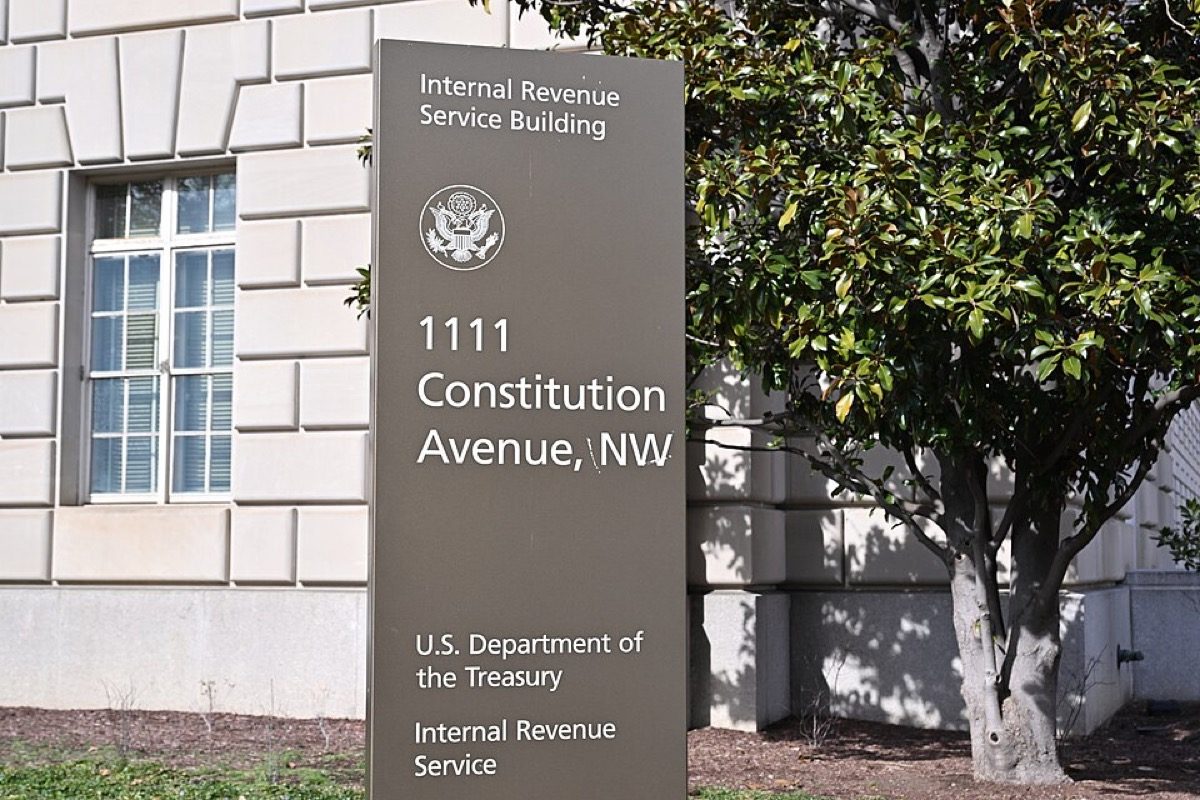
As your dedicated federal criminal defense attorney specializing in criminal tax cases I am well-versed in navigating complex investigations conducted by the Internal Revenue Service particularly those involving unreported income and other financial irregularities. My commitment is to zealously advocate for you ensuring every possible legal avenue is explored to mitigate potential penalties and uphold your rights under the law.
Compare experience, prosecution insight, and local federal court knowledge before you call. Results ranked by verified honors and case-fit criteria for IRS tax defense.

IRS criminal investigations target alleged willful violations of the tax code — false returns, offshore account concealment, FBAR violations, employment tax fraud, and abusive tax schemes. Civil audits can escalate to criminal referrals without warning.
An IRS civil audit can turn criminal when a revenue agent refers the case to IRS Criminal Investigation (CI). Understanding the signs of escalation — special agent involvement, summons enforcement, or grand jury subpoenas — is critical to protecting your rights.
The IRS and DOJ aggressively pursue undisclosed foreign accounts. However, the willfulness standard for FBAR penalties requires knowing and intentional conduct — not negligence, forgetfulness, or reliance on a foreign bank's assurances.
The government prioritizes employment tax prosecutions because withheld payroll taxes are considered 'trust fund' taxes. But the responsible person determination — who had authority to direct payments — is often disputed and fact-intensive.
IRS criminal tax cases are won or lost on documents, intent evidence, and the credibility of the taxpayer's explanation. Early engagement shapes the entire trajectory of the case.
The IRS Voluntary Disclosure Practice offers a path to avoid criminal prosecution for taxpayers who come forward before an investigation begins. Timing is critical — once the IRS has your name from another source, the window closes.
Good-faith reliance on a CPA, enrolled agent, or tax attorney negates willfulness. Documenting the advice received, the information provided to the professional, and the taxpayer's good-faith reliance is the cornerstone of this defense.
IRS summons enforcement and search warrants in tax cases must comply with the Fourth Amendment and IRS procedural rules. Evidence obtained through improper summons procedures or overbroad warrants may be subject to suppression.
Federal criminal defense resources across the full spectrum of federal criminal charges.
This defense resource covers IRS tax defense alongside a full range of federal practice areas — RICO, money laundering, wire fraud, public corruption, antitrust, crypto fraud, and federal appeals.
View All Federal Practice Areas →Regular dispatches on federal sentencing changes, circuit court decisions, DOJ enforcement priorities, and defense strategy.
Federal criminal defense analysis: what to expect in a federal irs tax defense prosecution.
Federal criminal defense analysis: what to do when under investigation for irs tax defense.
Federal criminal defense analysis: understanding the legal framework of irs tax defense.
Federal criminal defense analysis: sentencing guidelines and mitigation in irs tax defense cases.
Federal criminal defense analysis: recent case law affecting irs tax defense.
Federal criminal defense analysis: key defense strategies for irs tax defense cases.
Curated links to official legal resources, professional organizations, and public-access legal databases.
National professional organization. Lawyer directory, legal education, ethics opinions.
Premier criminal defense bar association. Federal sentencing resources and attorney referral.
Independent attorney directory with client reviews, disciplinary records, and practice area search.
Free access to federal and state case law, statutes, regulations, and docket tracking.
Free, searchable database of federal court opinions, dockets, and real-time case alerts.
Official Federal Sentencing Guidelines, amendments, data reports, and sentencing statistics.
Trial and appellate resources for federal criminal defense. Practice guides used by defenders nationwide.
Complete the confidential intake form and a federal defense specialist will call you back within 24 hours. Free, no obligation.
Request a Call Back →Legal Disclaimer: This site provides general information and a confidential case-intake service. Submitting information does not create an attorney-client relationship, and no attorney-client relationship is formed by using this site. Your information may be shared with licensed federal criminal defense attorneys. Every case is different — consult directly with a qualified attorney about your specific situation. Prior results do not guarantee similar outcomes.
About this site: this resource explains federal irs tax defense, investigation steps, penalties, and attorney selection so readers can understand the site purpose immediately.
The IRS typically audits returns that show unusually high deductions, complex transactions such as those involving foreign accounts or entities, and discrepancies between reported income and third-party information reports.
Yes, through an Offer in Compromise program, you may be able to settle your tax debts for less than the full amount if certain criteria are met, such as proving payment in full would cause financial hardship.
The IRS generally has ten years from the assessment date to collect taxes owed. However, this period can be extended if you file for bankruptcy or request an installment agreement and other circumstances that suspend the collection statute.
Related Federal Defense Resources